

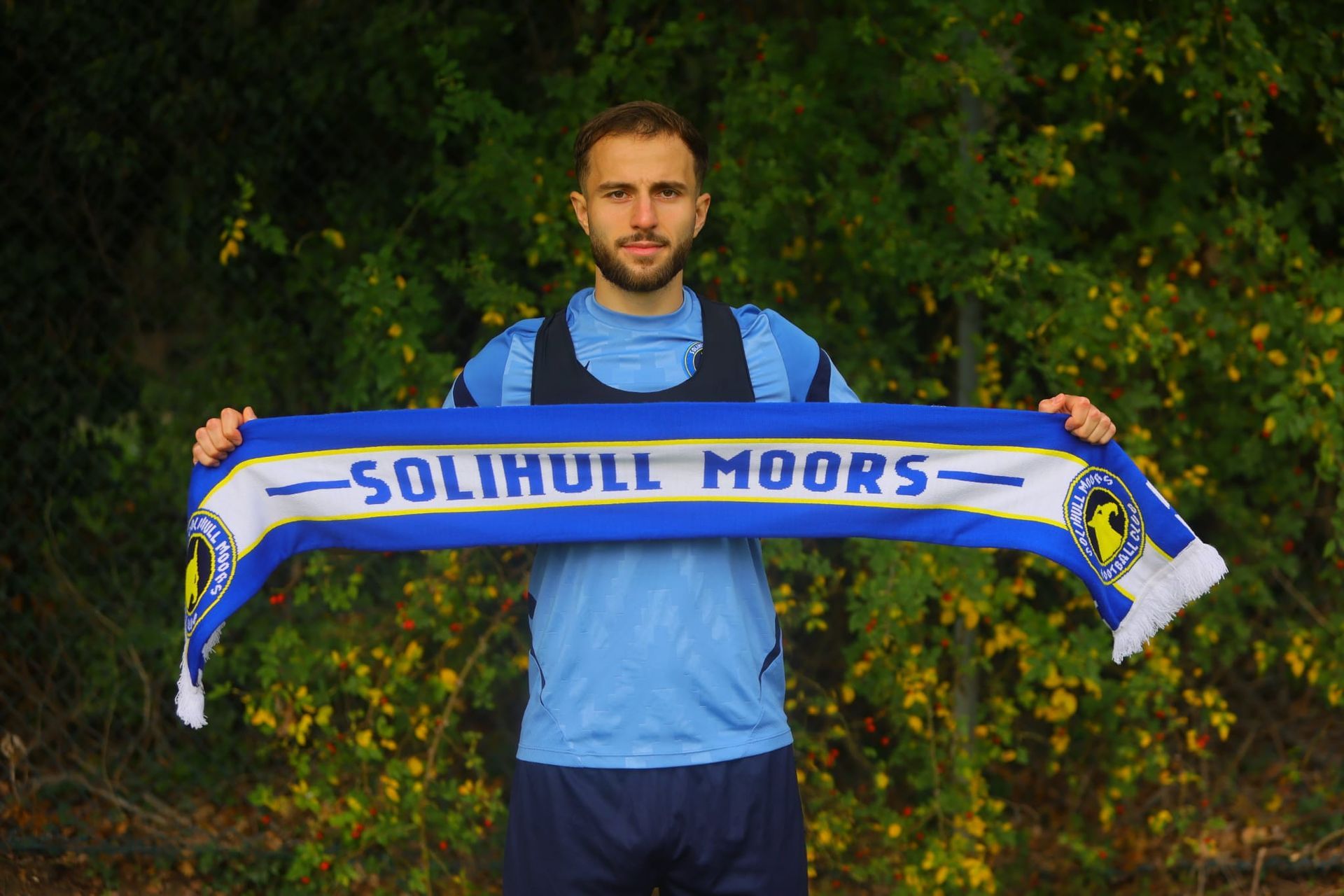
Solihull Moors are delighted to announce the signing of midfielder Florent Hoti on a short-term deal until 29th October. Hoti began his career within Rochdale’s Academy, signing a two-year scholarship in 2017 before making his senior debut against Bury in the EFL Trophy the following year. After being awarded his first professional contract at Rochdale, Hoti moved to Scottish Premiership side Dundee United in August 2020 following a successful trial. The midfielder also gained experience during a loan spell with Forfar Athletic before making his Dundee United debut in a 1-0 victory over Hamilton Academical in April 2021. Hoti later represented Scottish Championship side Arbroath before returning to England to join Tranmere Rovers. At international level, he has represented Kosovo Under-21s on eight occasions, making his debut in a UEFA European Under-21 Championship qualifier against Andorra in May 2021. Speaking about his arrival, Moors boss Chris Millington said: “Florent is a technically gifted midfielder who is comfortable in possession and gives us another strong option in the middle of the pitch. We’re pleased to welcome him to the Club and look forward to working with him.” Welcome to the Moors, Florent! 💛💙 The deal is subject to the relevant league and FA clearances.
TICKETS Season Tickets Season tickets are valid for this fixture. All tickets can be purchased here . Opening times and turnstile access The car park will open at 12:00pm The box office for ticket collection will be open from 1:00pm The Main Bar and Trevor Stevens Bar will open at 1:00pm Please note that Flasks are not permitted into the stadium Hospitality/Executive Boxes Hospitality doors for this fixture will open at 12:30pm. Junior Tickets 16-year-olds and under must be accompanied by a full-paying adult on the day of the match; otherwise, U16 ticket holders may be refused entry to the venue: turning up to the match without a full-paying adult is a safeguarding issue. Young Supporter Matchday Prices The following prices will be available for all home National League fixtures during the 2026/27 season: Under-12s: £1 with a paying adult Ages 12-15: £7.50 with a paying adult Ages 16-24: £11 All supporters wishing to purchase a ticket in one of these age categories must register for the Club’s free Young Supporters Membership Scheme. SAFEGUARDING RE ADMISSION: Note for reference, those supporters aged 15 and under MUST be accompanied by an adult to enter the ground, i.e. the individual must be 16 or over. Matchday Entry Supporters must present their valid membership card when entering Damson Park using a young supporter ticket. Under-12s and ages 12–15 must enter through Turnstiles 1 or 2 alongside their parent or guardian. Supporters aged 16–24 must enter through Turnstile 3. Under-16s must attend with a responsible adult (at a ratio of 2 children per one adult) and will not be permitted to enter the stadium unaccompanied. Any more than two children per one adult, please email ticketing@solihullmoorsfc.co.uk in advance to organise this request. To find out more about the admission & Young Supporters Membership: https://www.solihullmoorsfc.co.uk/solihull-moors-reduces-matchday-ticket-prices-for-young-supporters REFRESHMENTS Supporters can purchase alcohol and refreshments from the Main Bar, the Trevor Stevens Suite and Forest Bar (away fans only) There will be food available at: Hot Food Bar in the old reception Terry's Burger Van Spud van GETTING HERE PARKING The Car Park is open from 12:00pm Please do not park on the Damson Parkway dual carriageway – this is a red route and parking here is strictly prohibited. Supporters will receive tickets for parking illegally, so we stress the importance of utilising the NCP Car Park and planning your journey well in advance. If fans forget to pay before leaving, they will still be able to pay via Post Pay within 24 hours of exiting the car park however this will charge them the original tariff. Failure to pay will result in a Parking Charge. To learn more, including tariffs and PostPay, please visit: https://www.birminghamairport.co.uk/parking/freeport-car-park . Any Fans using the Car park can use the code ‘MOORS26’ to receive the discounted Rate of £6 for up to 5 hours. This Code will need to be used on the Pay Machine near the exit of the Car Park. Any supporters' coaches must drop fans off at the NCP parking point, as the Damson Parkway dual carriageway is a red route. It is at the coach driver’s discretion to drop supporters off on the red route; supporters must then walk from the NCP Car Park to the stadium. Travel by Bus The X12 bus runs to the ground every 15/20 minutes from Solihull Town Centre, the NCP and Birmingham International. In night matches, this increases to every 30 minutes. Click here to view the X12 bus route, stops and full timetable . Travel by Train Solihull Railway Station is served by trains from Birmingham Moor Street and London Marylebone. The ground is situated two and a half miles away from the station in a roughly north-easterly direction. Birmingham International Station is roughly one and a half miles from the ground and is on the Euston to Birmingham New Street line. Programme The programme can be downloaded here . Kick It Out You can report an incident of discrimination via the Kick It Out App, which can be used on iPhone and Android devices. Phone – 0800 169 9414 Twitter - @kickitout , or by contacting the organisation’s Reporting Officers on @kickitoutreport. Solihull Moors Supporters Association Click here to find out more about the Solihull Moors Supporters Association.
Introduction Solihull welcome top-of-the-league Boreham Wood to Damson Park on Saturday. The Moors are coming off the back of a 4-1 away defeat to Yeovil, a result which leaves them 23rd in the National League. Boreham Wood continued their unbeaten start to the season with a 4-1 home win over Harrogate despite going down to ten men late on, leaving them three points clear at the top of the National League. Andy’s Bet Club are on hand to preview all our key games for the 2026/27 season. Their site is packed with free football tips that are updated daily with expert insight. Match Preview Solihull were beaten 4-1 by Yeovil at Huish Park last Friday. Goals from Ryan Jones and Slavi Spasov gave Yeovil a 2-0 lead before an own goal from goalkeeper Jos Barker in the 87th minute gave Solihull a route back into the game. Substitute Johl Powell then stepped up with a quick-fire brace in the 88th and 97th minutes to give Yeovil all three points. Boreham Wood had to come from behind in their 4-1 win over Harrogate, after Bailey Hobson gave Harrogate the lead after nine minutes. A goal from Tarryn Allarakhia levelled things up, before Zak Brunt, Jay Bird, and Ben Whitfield wrapped things up for Luke Garrard's side. Solihull Moors Form Guide There was plenty of energy in the Solihull performance against Yeovil despite the result. Their PPDA (passes per defensive action) was 7.4 across the game and fell to 4.7 after the break. The Moors won the ball back 34 times in the Yeovil half, compared with 23 for their hosts. In attack, Solihull Moors had 11 shots and put four on target compared to Yeovil’s 17 with seven on target. Yeovil also had 3.25 xG to Solihull’s 1.26. Boreham Wood Form Guide Boreham Wood continued their unbeaten start to the season with a 4-1 win over Harrogate, a result that leaves them sitting comfortably at the top of the league. Despite scoring four, they only racked up 1.98 xG to Harrogate’s 1.05, meaning the game was actually closer than the scoreline suggested. They had 20 attacks to Harrogate's 44, but 13 of theirs came through the middle, and those accounted for 1.96 of their 1.98 xG. Tactical Insight The middle of the pitch looks like the place where this game will be decided. Yeovil hurt Solihull down the centre with 15 attacks worth 2.30 xG, whilst Boreham Wood took almost all of their threat against Harrogate from the same channel, with 13 central attacks worth 1.96 xG. Chris Millington’s Moors will need to overload the middle of the park to break up play, especially with Boreham Wood’s danger players like Zak Brunt. Conclusion It will be a tough test for Solihull on Saturday, but Harrogate exposed issues in their set-up despite the 4-1 loss. It will be a case of sitting deep for the Moors and timing their counter-attacks perfectly to get a result. Visit Andy’s Bet Club for daily free betting tips from all major competitions.
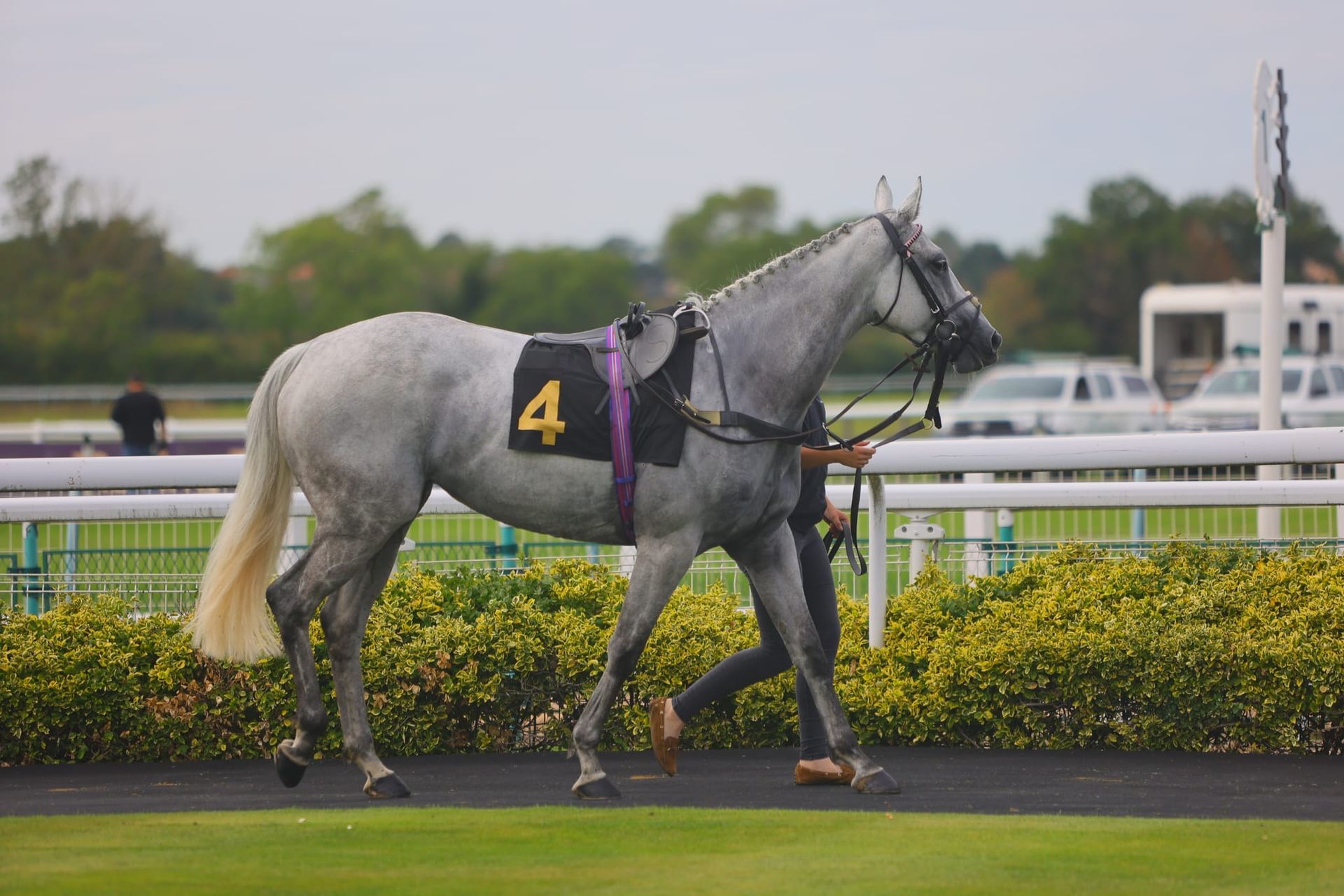
Solihull Moors FC and Solihull Moors Foundation took over Warwick Racecourse as the jump racing season got underway at the historic sporting venue. The event was the first of its kind, with the Moors hosting 150 business delegates in the Paddock Pavilion. It also provided an opportunity for the Club’s partners to immerse themselves in the day, with four of the six races sponsored by Moors partners. The Moors were front and centre for more than 1,500 racegoers who attended the Solihull Moors FC Season Opener, the opening fixture of Warwick Racecourse’s calendar. Solihull Moors Foundation played a key role in making the day a success, with staff working tirelessly throughout the venue to sell raffle tickets and raise awareness of its work. Around £1,200 had been raised for the Foundation by the time the raffle was drawn. Moors partners and friends then showed tremendous generosity by donating the majority of their prizes back to be auctioned among the room, taking the total raised to just under £5,000. It was a brilliant effort from everyone at the Foundation, made possible by the outstanding generosity of those who joined us for the event. Solihull Moors FC and Solihull Moors Foundation would like to thank Warwick Racecourse, The Jockey Club and everyone who attended the inaugural Solihull Moors FC Race Day. We look forward to bringing you more events like this in the future.
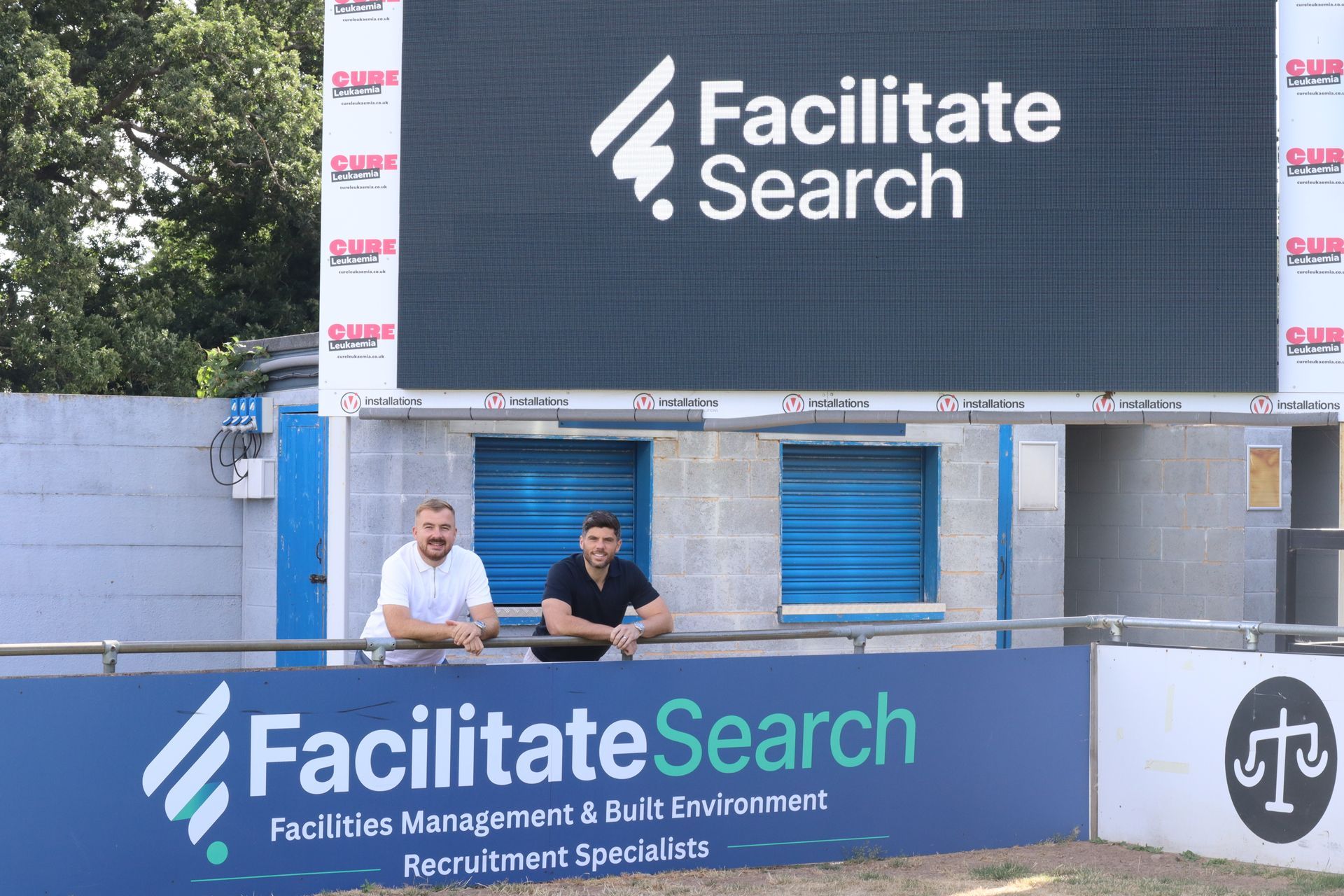
Solihull Moors are delighted to welcome Facilitate Search as our official Match Sponsors for next week’s Enterprise National League fixture against Boreham Wood at Damson Park. Facilitate Search are specialist recruitment and talent advisory experts operating across the Facilities Management and Built Environment sectors, partnering with organisations across the UK to connect exceptional people with industry-leading businesses. Founded in 2019 by local business leaders and Moors supporters Robbie Hindle and Adam Beadle, Facilitate Search have built an outstanding reputation for their consultative, relationship-led approach. Working closely with both clients and candidates, the team take the time to understand individual needs, culture and ambitions to create partnerships designed for long-term success. Their expertise spans roles across Engineering, Project Management, FM Leadership, Commercial and Finance, supporting FM service providers, construction organisations and end-users with permanent, contract and freelance recruitment solutions. Facilitate Search's relationship with the Moors has continued to grow over recent seasons. Having supported the club through previous match sponsorships and hosted the FS Charity Cup at Damson Park, the Solihull-based business became the first-ever official Moors Partner ahead of the 2026/27 season. Built around shared values, local pride and a commitment to developing meaningful relationships, the partnership continues to bring Facilitate Search and Solihull Moors closer together both on and off the pitch. The Moors would like to thank Robbie, Adam and the entire Facilitate Search team for their continued support and look forward to welcoming them back to Damson Park for our fixture against Boreham Wood. 📍 Find out more about Facilitate Search and their services here: https://facilitatesearch.co.uk/ 🎟 Join us at Damson Park this weekend as The Moors take on Boreham Wood in the Enterprise National League. Secure your tickets and get behind the lads!
Chris Millington’s Solihull Moors side will welcome high-flying Boreham Wood, led by manager Luke Garrard, to Damson Park in their latest game of the ongoing 2026/27 Enterprise National League campaign. The Moors will be seeking another three points, as a win would see them climb the table while building momentum for the weeks ahead. The Wood are among the favourites to earn promotion to League Two, and they recently broke the National League record for a player sale when they sold Abdul Abdulmalik to Swedish side Djurgardens IF for £1.5 million plus add-ons. This beat the original record held by Jamie Vardy, who joined Leicester City from Fleetwood Town for £1 million back in 2012. This is a club with plenty of history; Boreham Wood were established as a football club upon their foundation in 1948. Fast forward to the early 1970s, which saw them, under the leadership of Chairman Bill O’Neill and manager Mickey Hunter, win consecutive promotions from the Athenian League before they were successfully elected to the Isthmian Football League by the start of the 1974/75 season. By the time that the 1976/77 campaign came to an end, they had comfortably won the Isthmian League Division Two title, doing so by a considerable margin of 16 points. After that promotion, they were able to enjoy a five-year spell in the higher division, the Premier Division, over the course of the remaining years of the 1970s and into the early years of the 1980s. They then frequented this division for several years over the course of the 1990s, with the Chairman now being Phil Wallace, with manager Bob Makin occupying the dugout as the boss of The Wood. Unfortunately for Boreham Wood, they would go on to be relegated in 1999/00 under Chairman Danny Hunter, who remains in this post to this very day as of 2026. They did manage to bounce back immediately, spending only one season before securing promotion again. They then earned promotion to the Isthmian League Premier Division after being crowned as the Champions of the Isthmian League Division One in 2000/01. Then, by the time that 2004 came around, The Wood were now competing in the Southern Football League for the very first time in their history after the football league pyramid was restructured by the English FA. They competed in Division One for a couple of seasons before winning the title in the 2005/06 season, before then navigating their way back to the Isthmian League Premier Division for the 2006/07 campaign. They got all the way to the semi-finals of the FA Trophy in the previous season, beating Aveley 1 – 0 before going on to win the trophy after beating Kingstonian 2 – 0. And, under the management of former boss Ian Allinson, they got themselves a place in the Football Conference South for the 2010/11 campaign. They initially struggled in their first-ever campaign in the sixth tier of English Football, but they were able to navigate themselves up the table and were able to secure what was a respectable 14 th place finish. 8 th place was secured in 2011/12, before they then finished 9 th in 2012/13, with them being disappointed after enjoying a great start and occupying the play-off spots in March 2013 before then suffering a downturn in form that saw them miss out on having the chance to earn promotion. The Herts Senior Cup was won in 2013/14 after beating their local rivals Bishops Stortford on penalties in a hotly contested final. However, they did have an average league campaign that saw them settle for what was a 13 th place finish in the end. After an expansion of their home stadium in 2013, that saw them start building a new 870-seat West Stand that was completed in May 2014 for three quarters of a million pounds, and it was officially opened by the legendary manager Arsene Wenger. They faced Arsenal’s first team in a friendly in July 2014 in front of a big crowd of 3,400. 2014/15 saw them narrowly lose out on the Conference South title to Bromley, which saw them have to settle for a play-off campaign that at least saw them have another chance of securing promotion. After beating Havant & Waterlooville in the two-legged semi-final, they then beat Whitehawk at Meadow Park to earn promotion. They had secured their place in the National League, the highest tier of non-league football, for the very first time in what was their 67-year history at this point in time. They narrowly avoided relegation in 2015/16, but their safety was secured in the end by late season wins over Aldershot, Guiseley, and finally Welling United in what were the final three games. The Wood then had what was a much improved campaign in the National League in 2016/17, finishing 11 th . Then in 2017/18, they beat an EFL club for the first time in the FA Cup, doing so after beating Blackpool 2 – 1 after going a goal down back on Saturday 4 th November 2017. In the league, they managed to finish as high as 4 th , reaching the play-offs, with them having the chance for promotion to League Two. After victories against AFC Fylde and Sutton United, they had secured themselves a place at Wembley with a chance of a historic promotion. Then, unfortunately for The Wood, they failed, and they missed out on promotion after losing narrowly 2 – 1 to Tranmere Rovers. They then suffered what was a decline in their fortunes in the following season, the 2018/19 season, finishing in 20 th place, but they did at least manage to reach the First Round Proper of that season’s FA Cup. In 2019/20, they were enjoying a great campaign under current manager Luke Garrard, and finished in 5 th place before the season was curtailed due to the pandemic. Unfortunately for the club, the play-offs were cancelled. The 2020/21 campaign also saw disruption due to global events, but the season was still completed, with them ending up in 14 th place whilst going on a memorable FA Cup run that saw them go all the way to the Third Round Proper, where they took on London-based Millwall. Boreham Wood were able to finish in 9 th place in 2021/22, and they also reached the fifth round proper of the FA Cup for the first time. They only lost 2 – 0 to Premier League club Everton away from home at Goodison Park after having already beaten the likes of AFC Wimbledon and Coventry City. 2022/23 saw them end up in the National League playoffs once again after what was an impressive campaign for The Wood. They lost in the semi-finals after being beaten by Notts County thanks to a late winner for The Magpies in order to make it 3 – 2 in extra time away from home at Meadow Park. 2023/24 was a low point that saw them finish in 21 st place and get themselves relegated back down to the National League South after a stay of nine years in the fifth tier. Then in 2024/25, they took the first opportunity that they were offered to return to the National League, with them doing so via the playoffs, beating Maidstone United 1 – 0 at the aforementioned Meadow Park, following what was a winning goal from Charles Clayden. They had returned to the fifth tier at the first time in years. The 2025/26 was, of course, their first season back in the National League, and it was an excellent one that saw them finish all the way up in 4 th place, which secured them a place in the playoffs once more. They had another chance to gain promotion to League Two, but after dramatically beating Carlisle United 2 – 1 in the semi-final with a Zak Brunt goal, they were beaten 3 – 1 on penalties by Rochdale at Wembley. What made things worse for Boreham Wood was the fact that they had been leading 2 – 0 with just over 20 minutes remaining. 2025/26 still saw them win some silverware when they lifted the National League Cup after beating West Ham’s Under 21s 7 – 6 on penalties after drawing with the Hammers 2 – 2 after extra time. In the current 2026/27 Enterprise National League season, they will be competing for promotion once more under the management of Luke Garrard, and they will be hoping that they can earn themselves a place in League Two once the season comes to an end in May 2027. In the opposition dugout – Luke Garrard Current Boreham Wood boss Luke Garrard is enjoying his second spell with The Wood, with the club returning to the club on 13 th September 2024, succeeding Ross Jenkins. In his first season back, he led them to a 5 th place finish with 86 points, winning the playoffs in order to earn a place back in the National League at the first time of asking. Last season, they had a 4 th place finish with 90 points, securing the playoffs and a chance to get promoted to the Football League. They lost 3 – 1 on penalties in the Final against Carlisle United at Wembley, and this season they will be looking to go one better by securing promotion to League Two. Garrard’s previous spell in charge of Boreham Wood spanned over the course of 9 years, from 14 th October 2015 until his dismissal following defeat to Southend United on 2 nd April 2024, which left The Wood still threatened with relegation. In his initial spell, there were several highlights. In his third season, they got to the National League playoffs for the first time in their history, losing to Tranmere Rovers. They did, though, beat a Football League side for the first time, beating League One Blackpool 2 – 1 in the first round proper of the FA Cup. Then in 2021/22, they reached the fifth round before being beaten by Everton. They had beaten AFC Wimbledon and Bournemouth along the way. They then made the playoffs once again in the National League in 2022/23, losing in the semi-finals to Notts County in extra time. Garrard also had a playing career that lasted for 13 years, with his last club being Boreham Wood, with whom he would have his first spell in first team management. He also played for the likes of Swindon Town (2002 - 2005), Bishop’s Stortford (2005), Boreham Wood (2005; Loan, 2009 – 2010; 2010 - 2015), Northwood (2005 - 2006), and also AFC Wimbledon from 2006 to 2015. Key Player – Matt Rush Boreham Wood’s key player so far this season is arguably their forward Matt Rush, who is their top goalscorer this season in the 2026/27 National League so far with no less than 9 goals scored so far, as of the time of writing. Rush joined The Wood back on 31 st December 2024 after being recalled from his loan with Maidstone United. He has so far played for the likes of Southend United (2019 - 2022), Great Wakering Rovers (Loan, 2019), Harlow Town (Loan, 2019), Tonbridge Angels (Loan, 2021), Chelmsford City (Loan, 2022), Braintree Town (2022 - 2023), Aveley (2023), Maidstone United (2023 – 2024; Loan, 2024), and Sutton United in 2024. Opposition Overview written by Adam Holt
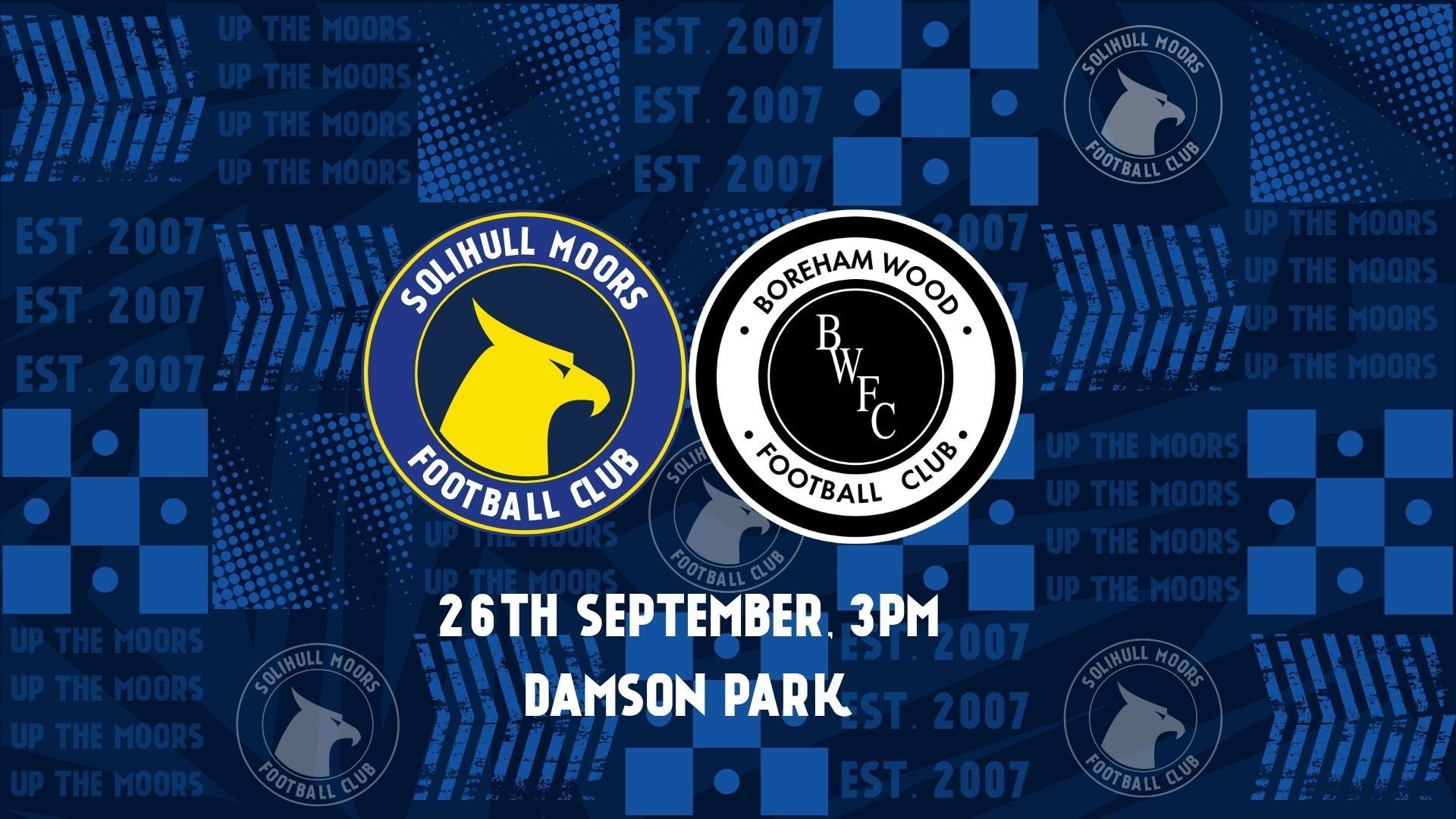
Solihull Moors were beaten 4-1 by Yeovil at Huish Park in the National League on Friday evening. Ryan Jones opened the scoring for the hosts in the first half. Slavi Spasov added a second for his side after the break, before an own goal from Yeovil goalkeeper Jos Barker looked to have given Solihull a way back into the game. Two late goals from Johl Powell sealed the 3 points for the home side and added a bit of gloss to the score. Chris Millington's starting 11 saw Nat Ford keep his place in goal after keeping a clean sheet in the 1-0 win over Barrow on Tuesday. Ben Worman came back into the side, replacing captain Alex Whitmore. Midfielder Jamie Andrews dropped into centre-back, and Tuesday's match-winner Scott High wore the captain's armband. First half The Moors first chance fell to Jacob Wakeling. Tyrell Warren played a brilliant ball over the top that Wakeling controlled well, before flicking a terrific effort over the head of Yeovil goalkeeper Jos Barker with the outside of his left boot, only to see the effort fall agonisingly wide. Ryan Jones had a good effort for Yeovil after gliding past a challenge and striking at goal, but Nat Ford saved comfortably. Archie Davies wasted an opportunity on the right as the angle narrowed, his sliced shot went well wide. GOAL - 15' Yeovil. Ryan Jones received the ball on the right-hand side of the box, before cutting in on his left foot and curling beautifully into the bottom corner, leaving Ford with no chance. 1-0 Moments after the first goal, Zain Westbrooke raced onto a fantastic pass from Jones, played through expertly with the outside of his foot, and tried to round Ford in the Solihull goal, but The Moors keeper stood his ground and did enough to stop the midfielder getting a shot away. Chances for Wakeling and Cam Green were well blocked in quick succession for the away side as they looked to get back into the game. Warren had a decent effort after nice build-up from Solihull. Joe Sbarra's cross was nodded towards goal by Worman, who's header was blocked, and the ball eventually fell to Warren who's strike across goal somehow fizzed past everyone without getting a touch. Jevon Mills got a crucial block on an effort from James Daly. The Yeovil man broke through on the left and hit a powerful effort from just outside the 6-yard box. Hayden Muller smashed an effort high over the bar on the volley when picked out in the box by Westbrook. A couple of mistakes in the Glover's defence led to half-chances for Millington's men, Sbarra seeing an effort blocked from outside the box, and Wakeling slipping as he looked to intercept a loose pass on the edge of the box. The final action of the first half saw Brett McGavin strike a powerful shot, which hit a defender in the box after a short Yeovil corner was played across the penalty area. Second half Moors striker Wakeling had a great chance to equalise for his side, not managing to get a clean connection on his shot from inside the 6-yard box Another attack down the right saw McFarlane fire a low cross into the danger area, but the ball was cleared away. Shortly after, Sbarra hit a tame effort straight at the Yeovil keeper from 20 yards. McFarlane then struck a brilliant opportunity wide when he found himself in a good position in the box, before Wakeling dragged another effort past the post. GOAL - 56' Yeovil. A teasing cross from Daly on the left rebounded awkwardly off defender Jevon Mills, the ball falling kindly to Slavi Spasov, who tapped in from almost on the line. Worman went for goal from long-range looking to catch Barker out, but the keel did well to follow the flight and save the midfielder's attempt. Scott High had a decent free-kick saved after been hauled down on the edge of the box when looking to get a shot away. Mills flicked a header towards goal when he got on the end of a long Andrews throw-in, as Solihull had another shot on target, without overly threatening the Yeovil goalkeeper. Yeovil went looking for a third as Westbrook had his effort saved by Ford, the Moors keeper reacting brilliantly to divert the ball away with his foot. Westbrooke then came desperately close to applying a finishing touch to a good Yeovil move, the cross falling just ahead of him and his teammates in the box. I'm an end-to-end game, some silky footwork from Green on the left wing led to the left-back putting in a dangerous cross, the ball falling nicely to Sbarra who's volley was excellently tipped over by Barker for a corner. GOAL - 86' Moors. Matty Carson swung in the resulting corner which the unfortunate Yeovil keeper failed to deal with and parried straight into his own net. 2-1 GOAL - 87' Yeovil. Just when Solihull thought they were back in the game, Yeovil went straight up the other end and scored. Johl Powell scored his first goal for the club, calmly slotting into the far corner after some good work on the right. 3-1 GOAL - 90+6' Nat Ford could only push an effort straight out to Johl Powell, who scored his second, and his sides fourth goal of the evening to put the result beyond any doubt. 4-1 Full time - Yeovil 4-1 Solihull Moors. A heavy defeat on the road, and a scoreline that will feel a bit harsh on The Moors in a game where both sides created a number of chances, but the Glover's were just more clinical. A huge thank you to the 30 travelling Moors fans for making the 130+ mile trip to Somerset to support the boys. Have a safe journey home💛💙 Next up Boreham Wood travel to Damson Park in the National League on Saturday 26th September, 3pm kick-off. Adult tickets for this fixture can be purchased at the reduced price of just £15. We look forward to seeing you there. To secure your seat, please visit the link below - https://solihullmoorsfc.ticketco.events/uk/en/e/solihull_moors_v_boreham_wood2627?version=m COYM💛💙 Match report written by Scott Cattell
Chris Millington’s Solihull Moors team are set to make the trip to Huish Park to take on a Yeovil Town side who are led by their current manager Billy Rowley in their latest fixture of the 2026/27 Enterprise National League season. A victory against The Glovers is of course the aim, with the Moors looking to build momentum whilst also climbing up the table. Yeovil Town is a club with an extensive history, and it was initially founded all the way back in 1890, with them initially choosing to share their home ground with the local rugby club. However, the club was then reformed in 1895 under a new name, Yeovil Casuals, playing their football in this iteration of the club at the Pen Mill Athletic Ground. This club then changed its name to what it is today, Yeovil Town, in 1907, after there was a successful merger with Petters United, with the new club first competing ahead of the 1946/47 campaign. As time passed, the Glovers soon earned a reputation for beating sides higher up in the football league pyramid than themselves; this includes famously beating Sunderland 2 – 1 in the Fourth Round Proper of the 1948/49 edition of the English FA Cup, which was in front of a record crowd of 17,000 people. They were defeated 8 – 0 by Manchester United in the next round. Over the course of almost twenty years between 1955 and 1973, Yeovil managed to earn plenty of success, winning several pieces of silverware. This included as many as three Southern Football League titles, whilst also finishing as runners-up on two occasions. They then repeatedly applied to be a member of the English Football League, most notably in 1976, where they narrowly missed out on membership by a slim margin of just a few votes. Then in 1979, Yeovil Town became founder members of the Alliance Premier League, though by 1985 they had been relegated from this division, with them then playing their domestic football down in the Isthmian League. They won the title in 1988 to get promoted to the Conference before winning the Bob Lord Challenge Trophy in 1990, and in 1997 they returned once again to the Conference after winning the title with what was a record of 101 points. This was after being relegated once again. Following Colin Lippiatt’s spell in charge of Yeovil during the 1998/99 campaign, Gary Johnson, a famous name in the history of The Glovers, was appointed as his successor. Johnson was the manager to guide them to their first major trophy in the club’s history, winning the FA Trophy in June 2001 following a comfortable and deserved 2 – 0 victory against Stevenage Borough. Then, in the 2001/02 season, The Glovers had an outstanding season, winning the Football Conference title by a margin of as many as 17 points. They scored 100 goals in the process, earning a grand total of no less than 95 points overall. Notable players in this era under Gary Johnson included the likes of Gavin Williams, Lee Johnson, Chris Weale, Darren Way, and Adam Lockwood, who all graced the pitch at Huish Park. Yeovil were victorious in their opening, and first-ever, football league game against Rochdale away from home, which they were able to win 3 – 1 in the end, before going on to end the campaign as high as 8 th place in the end. They also reached the Third Round Proper of the FA Cup, only losing 2 – 0 to Premier League giants Liverpool. Under the stewardship of Johnson, they would go on to lift the League Two title after accumulating 83 points from their 46 games in the fourth tier of English Football, earning a place in League One for the first time. During this time, a takeover was completed, with David Webb taking over from Jon Goddard-Watts. Gary Johnson then decided to leave The Glovers for Bristol City ahead of the start of the 2005/06 season, with Steve Thompson taking charge. Former Yeovil player Russell Slade then took over, and in this season, they made it to the Fourth Round Proper of the FA Cup, with them only losing to Premier League side Charlton Athletic in the end. Under Slade, they finished as high as 5 th place in League One in the 2006/07 season, finishing in the play-off spots. Despite beating English giants Nottingham Forest 5 – 4 on aggregate in the semi-finals, they went on to be defeated 2 – 0 by Blackpool in the promotion play-off final at Wembley. They then remained in the third tier of the English Football League pyramid for some time, reaching the play-offs once again after a fourth place finish in the 2012/13 League One campaign, and they managed to reach the Championship after promotion was secured in the end. They were able to defeat the likes of Sheffield United and Brentford in the play-offs along the way. They only remained in the second tier for one single season, being relegated back down to League One in the 2013/14 campaign. Yeovil were now going through a difficult period, with them getting relegated again the following season, finding themselves back in League Two when the 2015/16 season began. This relegation season included a high-profile FA Cup tie against Premier League giants Manchester United. Another former player took over as manager in 2015, with Darren Way officially taking charge of The Glovers. Glover led the club to safety in their first season back in the fourth tier. Big results in this period included an 8 – 2 victory against Luton Town, but also, contrastingly, an emphatic 6 – 0 triumph against Welsh outfit Newport County. By the end of the 2018/19 League Two season, Yeovil Town had succumbed to relegation down to the National League; however, the 2019/20 campaign was cut short due to the global pandemic that took place. After a failed takeover of SU Glovers Limited in February 2023, the club were relegated once again, this time to the National League South in the final weeks of the 2022/23 season in April 2023. Thankfully for Yeovil, they were able to return to the fifth tier for the first time of asking by winning the sixth tier title in 2023/24. In the 2024/25 season, Yeovil Town Football Club managed to survive in the National League after ending up with an 18 th place finish, and then change came in the form of a takeover by Prabhu Srinivasan and Inflection Holdings on 29 th May 2025, taking the majority shareholding. Then, last season (2025/26), they finished a few places higher in 16 th place, after they had managed to earn a total of 51 points from their 46 games in total during the campaign, and this season they will be hoping to further climb the table for a potential mid-table finish. In the opposition dugout – Billy Rowley Billy Rowley is the current Manager of Yeovil Town Football Club, with Rowley being appointed by the club as the latest Glovers boss back on 25 th November 2025, and he now takes charge of his first full season in charge after guiding the club to what was a 16 th place finish in the Enterprise National League table last term. Rowley’s career in coaching began at Chelsea as a Development Centre Coach, which was a role that he had for a year and a half from April 2006 to August 2007 before moving on to Manhattan SC of America. He held the role as an Academy Coach, and was there for more than two years between February 2009 and June 2011. He then returned to London in July 2012 when he was appointed as a Development Squad Head Coach, where he stayed until April 2015, and during that time he was also an academy coach with Millwall, who he joined in September 2013 and left a few months before he departed from Fulham, in February 2015. He then moved to California in the United States when he became Academy Coach at Placer United Soccer Club from May 2017 to March 2020. Returning to England, he took charge of Walton & Hersham FC for what was his first-ever permanent managerial role, and he was there for six and a half years, from May 2020 to November 2025, when he left for Yeovil. Key Player – Luke McCormick 27-year-old midfielder Luke McCormick is arguably Yeovil Town’s standout player, and he is their current leading goal scorer with 5 to his name to date, as of the time of writing. He will certainly be one of the players for Moors fans to look out for. McCormick has played for numerous clubs throughout his career before joining Yeovil Town permanently back on 4 th August 2025. Before joining Yeovil, he has also represented the likes of Chelsea (2019 - 2021), Shrewsbury Town (Loan, 2019 - 2020), Bristol Rovers (Loan, 2020 – 2021; 2022 - 2025), AFC Wimbledon (2021 - 2022), and finally Forest Green Rovers (Loan, 2025). Opposition Overview written by Adam Holt
Introduction Solihull travel south to Huish Park ahead of their clash with Yeovil Town on Friday night. Chris Millington’s side are coming off the back of their first win of the season after they dispatched Barrow 1-0 on Tuesday. Scott High’s goal in the 66th minute was the difference-maker after MJ Williams was sent off for Barrow just before half-time. Andy’s Bet Club are on hand to preview all our key games for the 2026/27 season. Their site is packed with free football tips that are updated daily with expert insight. Match Preview Solihull’s win on Tuesday came after a string of games where they had the better of the xG. Coincidentally, it was Barrow who had the better of the xG on Tuesday, edging it out 2.07 to Solihull’s 1.60. Yeovil were held to a 1-1 draw at home to Aldershot in midweek, with Slavi Spasov getting on the scoresheet before Michee Efete equalised for Aldershot. The result leaves Yeovil 10th in the National League, with three wins, three draws and two losses to their name so far. Solihull Moors Form Guide Despite losing the xG battle 2.07 to 1.60, Solihull made it count on Tuesday with their first win of the season. Scott High's 66th-minute winner came from a chance worth just 0.11 xG in a game where shooting was evenly split down the middle, with each side having 14 shots and three on target each. MJ Williams was sent off for the visitors in the 42nd minute, and the Moors took advantage to kick off their season. Jacob Wakeling had the busiest afternoon in front of goal for Solihull Moors, with four shots contributing to a combined 0.86 xG, while Callum McFarlane's shots added up to 0.49 xG. Yeovil Town Form Guide Yeovil Town's draw at Aldershot Town came with only 44% of possession, which largely came as a result of Loick Ayina being sent off in the 29th minute for the Glovers. Slavi Spasov's 12th-minute opener came from a chance worth 0.78 xG, with Yeovil having an overall xG of 2.03 to Aldershot’s 1.69. Aldershot made their man advantage count with Michee Efete equalising in the 66th minute. That leaves Yeovil without a win in their last three, sitting 10th in the National League table. Tactical Insight Rather than chance quality, how often each side actually gets a shot away looks like the more useful guide here. Solihull turned 13 of their 36 attacking sequences into shots against Barrow (36%), while Yeovil managed only five shots from 25 sequences at Aldershot (20%). Where each side differs is what happens once the shot is away. Solihull managed only three shots on target from 14 (21%), while Yeovil hit the target with six of their seven (86%). The Moors may need more of the volume that served them against Barrow, since Yeovil look capable of making fewer openings count for more. Conclusion The long-awaited win was fully deserved for Chris Millington’s Solihull given their underlying attacking numbers in recent games. Yeovil are winless in their last three, so this could be a chance to string some results together in a bid to climb the table. Visit Andy’s Bet Club for daily free betting tips from all upcoming football fixtures across major leagues.
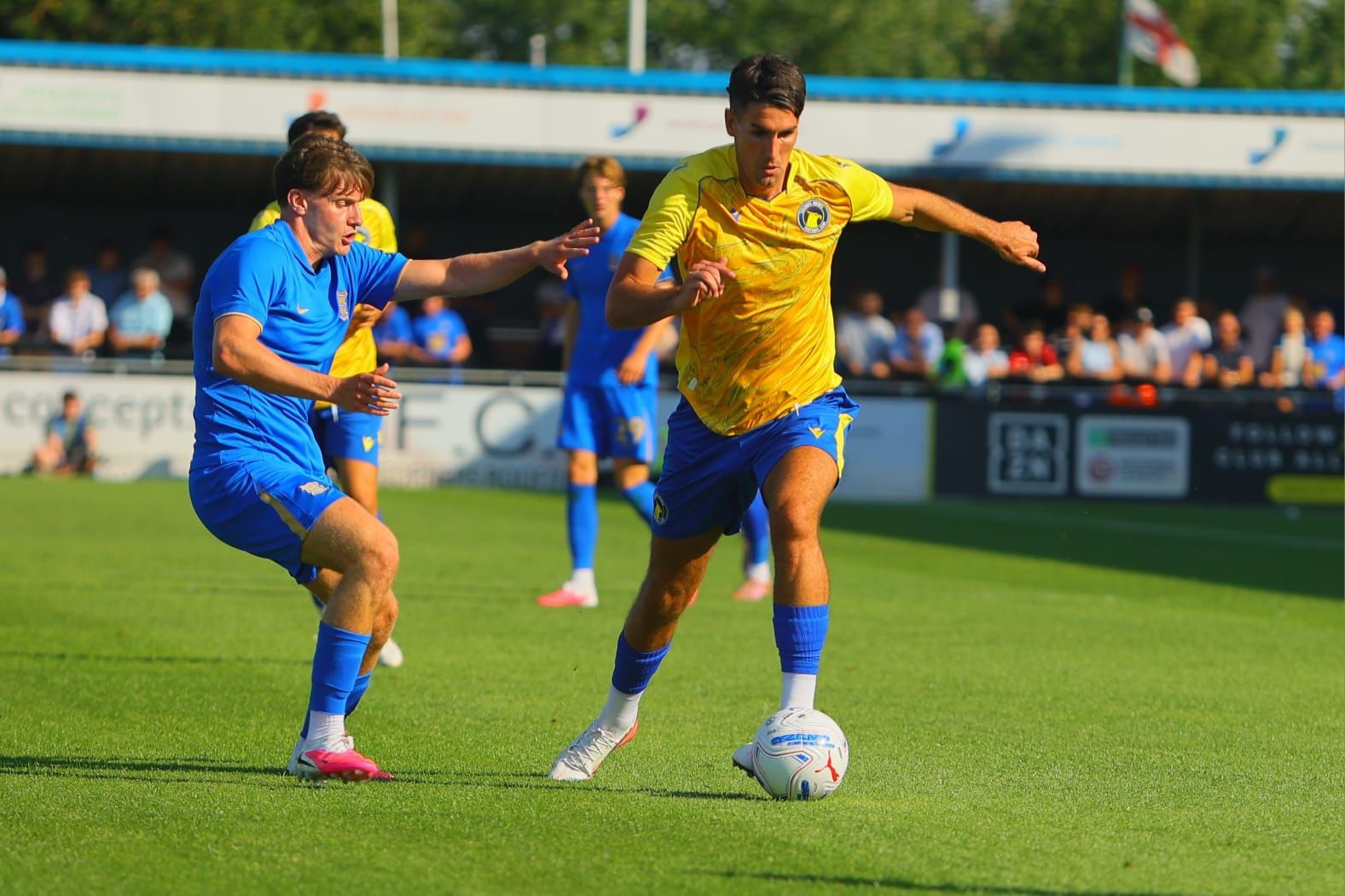
Solihull Moors can confirm that forward Conor Wilkinson has joined Boreham Wood on loan until 12th December. Wilkinson will link up with the National League side with immediate effect and spend the next three months at Meadow Park. The Club wishes Conor all the best during his time with Boreham Wood.